Common Plumbing Problems: Leaky Pipes and Fittings
- lindaknew22
- Sep 19, 2025
- 5 min read

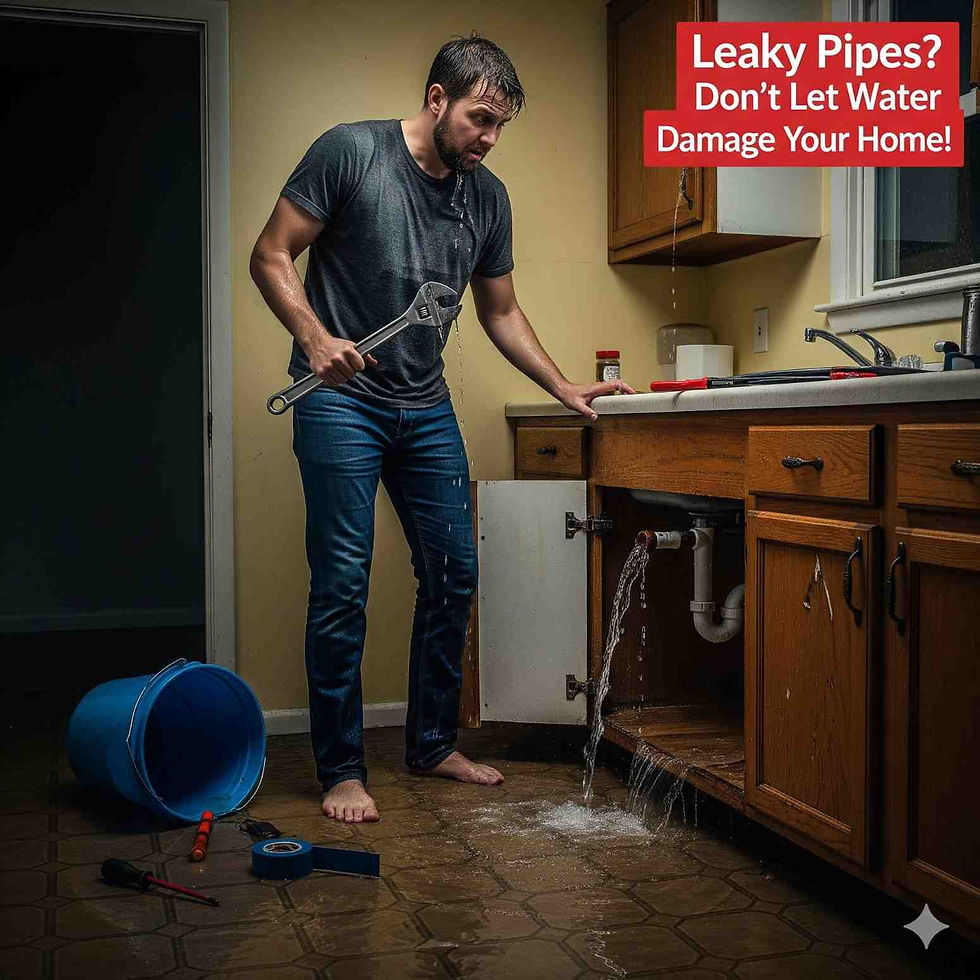
Plumbing issues are a common headache for homeowners, especially leaky pipes and fittings. Whether caused by age, corrosion, or poor installation, leaks can lead to higher water bills and even property damage if left untreated. If you are looking to fix or upgrade your plumbing system, purchasing high-quality materials is essential. You can get great deals on pipes and connectors with a pvc fittings online coupon, and Dealszo provides the latest coupons and discounts to save you money while buying plumbing supplies online.
In this guide, we will discuss the most common causes of leaky pipes, how to detect leaks, repair options, and essential tools. We’ll also cover FAQs homeowners often ask and provide practical tips for keeping your plumbing in top shape.
Common Causes of Leaky Pipes and Fittings
Leaky pipes are often the result of a few typical issues. Understanding these causes can help you prevent problems and save money in the long run.
1. Age of Pipes
Older pipes are more prone to leaks. Over time, metal pipes such as copper or galvanized steel can corrode, while plastic pipes like PVC and PEX may degrade under constant pressure or exposure to heat. Regular inspection of your plumbing system can help you identify pipes that are reaching the end of their lifespan.
2. Corrosion and Rust
Corrosion is a leading cause of leaks in metal pipes. Water with high mineral content or acidic properties can cause pipes to weaken, eventually leading to cracks or pinhole leaks. Rust inside pipes can also reduce water flow and create small leaks that gradually worsen.
3. Poor Installation
Incorrect installation can lead to leaky fittings and joints. Common mistakes include over-tightening connections, using incompatible materials, or failing to seal joints properly. Hiring a professional plumber ensures proper installation, reducing the risk of leaks.
4. High Water Pressure
Excessive water pressure can strain pipes and fittings, leading to leaks. Residential water pressure should ideally range between 40 and 60 psi. Pressure above this range increases the risk of pipe bursts or joint failures. Installing a pressure regulator can help maintain safe water pressure in your home.
5. Temperature Fluctuations
Pipes can expand and contract with temperature changes, especially in areas with extreme winters or hot summers. This movement can stress joints and cause leaks over time. Insulating pipes in cold regions reduces the risk of freeze-related leaks.
How to Detect Hidden Leaks
Some leaks are easy to spot, while others remain hidden behind walls, under floors, or in ceilings. Detecting these leaks early is crucial to avoid costly damage.
Signs of a Leak
Unusually high water bills: Sudden spikes can indicate hidden leaks.
Damp spots or discoloration: Water stains on walls, ceilings, or floors may point to leaks.
Dripping sounds: Continuous dripping sounds, even when taps are off, can signal a leak.
Mold or mildew growth: Persistent dampness fosters mold, often near leaking pipes.
Tools for Detection
Moisture meters: Detect moisture behind walls.
Thermal cameras: Identify temperature differences caused by leaks.
Pressure gauges: Monitor sudden drops in water pressure indicating a leak.
Temporary vs. Permanent Repair Options
Repairing leaky pipes depends on the severity and location of the leak. Temporary solutions can provide a short-term fix, while permanent repairs ensure long-term reliability.
Temporary Repairs
Pipe tape or plumber’s tape: Useful for small leaks around fittings.
Pipe clamps or rubber sleeves: Wrap around leaking areas for short-term relief.
Epoxy putty: Seals small cracks until a professional can repair.
Permanent Repairs
Replacing the fitting or pipe: The most reliable fix for leaks.
Soldering copper pipes: Ensures long-lasting connections.
Re-sealing joints: Applying fresh pipe sealant or Teflon tape at connections.
Tools and Materials Needed
If you plan to tackle minor leaks yourself, having the right tools and materials is essential.
Common Tools:
Pipe wrench and adjustable wrench
Pipe cutter or hacksaw
Plumber’s tape (Teflon tape)
Pipe sealant or epoxy
Bucket and towels for water cleanup
Materials:
PVC, PEX, or copper pipes (depending on your system)
Replacement fittings and connectors
Hose clamps or compression fittings
Types of Pipes That Commonly Leak
Different materials have different weaknesses. Knowing which pipes are more prone to leaks helps in proactive maintenance.
1. Copper Pipes
Durable but susceptible to corrosion over time, especially with acidic water. Leaks are often found at joints or soldered connections.
2. PVC Pipes
Lightweight and resistant to corrosion, but can crack under physical stress or extreme temperatures.
3. PEX Pipes
Flexible and resistant to freezing, but connections may fail if not properly installed.
4. Galvanized Pipes
Often found in older homes; highly prone to rust and corrosion, making leaks common.
Average Costs for Repair
Repair costs vary by pipe material, location, and the severity of the leak. On average, homeowners in the USA can expect the following:
PVC pipe repair: $50–$150 per fitting
PEX pipe repair: $60–$200
Copper pipe repair: $100–$300 per section
Galvanized pipe replacement: $150–$400
Hiring a licensed plumber may cost more but ensures a proper, long-lasting fix.
DIY vs. Hiring a Plumber
While minor leaks can be fixed by a skilled DIYer, some situations require professional intervention:
Leaks behind walls or under concrete floors
Persistent leaks despite temporary fixes
Corroded or old pipes
Complex plumbing systems
Attempting complicated repairs without experience can worsen the problem.
Preventing Future Leaks
Preventive measures reduce the likelihood of leaks and prolong the life of your plumbing system:
Regular inspection: Check pipes, fittings, and joints at least once a year.
Water pressure regulation: Keep pressure within safe limits.
Pipe insulation: Protect against extreme temperatures.
Use quality materials: Invest in durable pipes and fittings.
Professional installation: Avoid DIY mistakes on critical systems.
FAQ Section
How do I identify a leak in my plumbing fittings?
Check for damp spots, mold, or dripping sounds. High water bills can also indicate hidden leaks. Use moisture meters or thermal cameras for precise detection.
Can I fix a leaky pipe myself or should I hire a plumber?
Minor leaks on accessible pipes can often be fixed with clamps, tape, or epoxy. For hidden or severe leaks, hire a professional plumber.
What are the most common pipes that leak in homes?
Copper, galvanized steel, PVC, and PEX pipes are common culprits. Older galvanized and copper pipes often leak due to corrosion, while PVC and PEX may crack under stress.
How much does it cost to repair a leaking fitting in the USA?
Repair costs range from $50 to $400 depending on the pipe type and severity. Hiring a licensed plumber can ensure a long-term solution.
How long do plumbing fittings typically last before leaking?
PVC and PEX fittings can last 25–40 years, copper fittings 50+ years, and galvanized steel fittings 20–30 years. Proper maintenance extends lifespan.
Conclusion
Leaky pipes and fittings are one of the most common plumbing problems in homes. Understanding the causes, knowing how to detect hidden leaks, and choosing the right repair method can save you time, money, and stress. Whether opting for temporary fixes or permanent solutions, using high-quality materials is essential. Remember, preventive maintenance, regular inspection, and timely repairs are key to keeping your plumbing system leak-free.
If you’re looking to purchase fittings or pipes for repairs or upgrades, check out pvc fittings online coupon deals on Dealszo to save on high-quality plumbing materials.
Comments